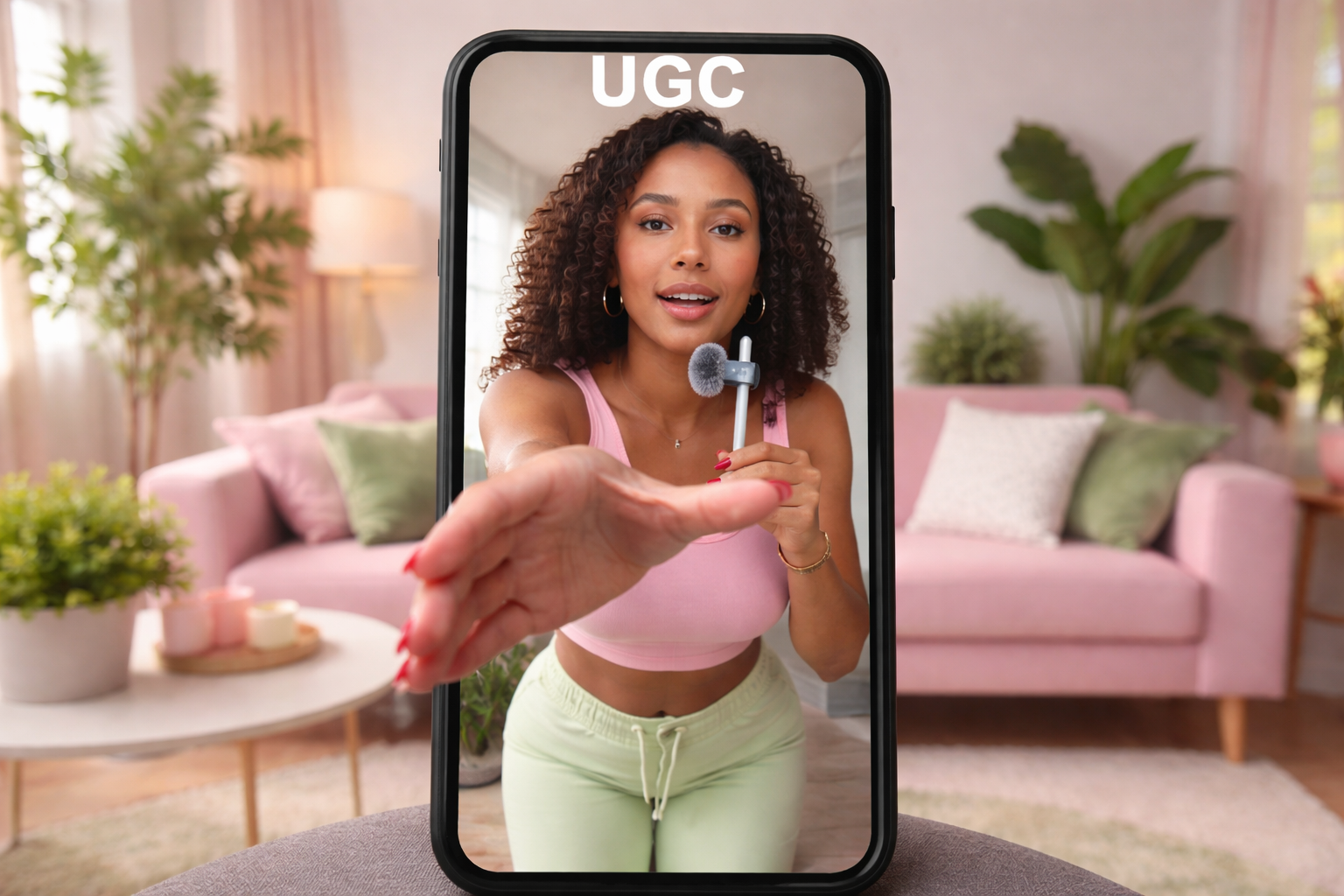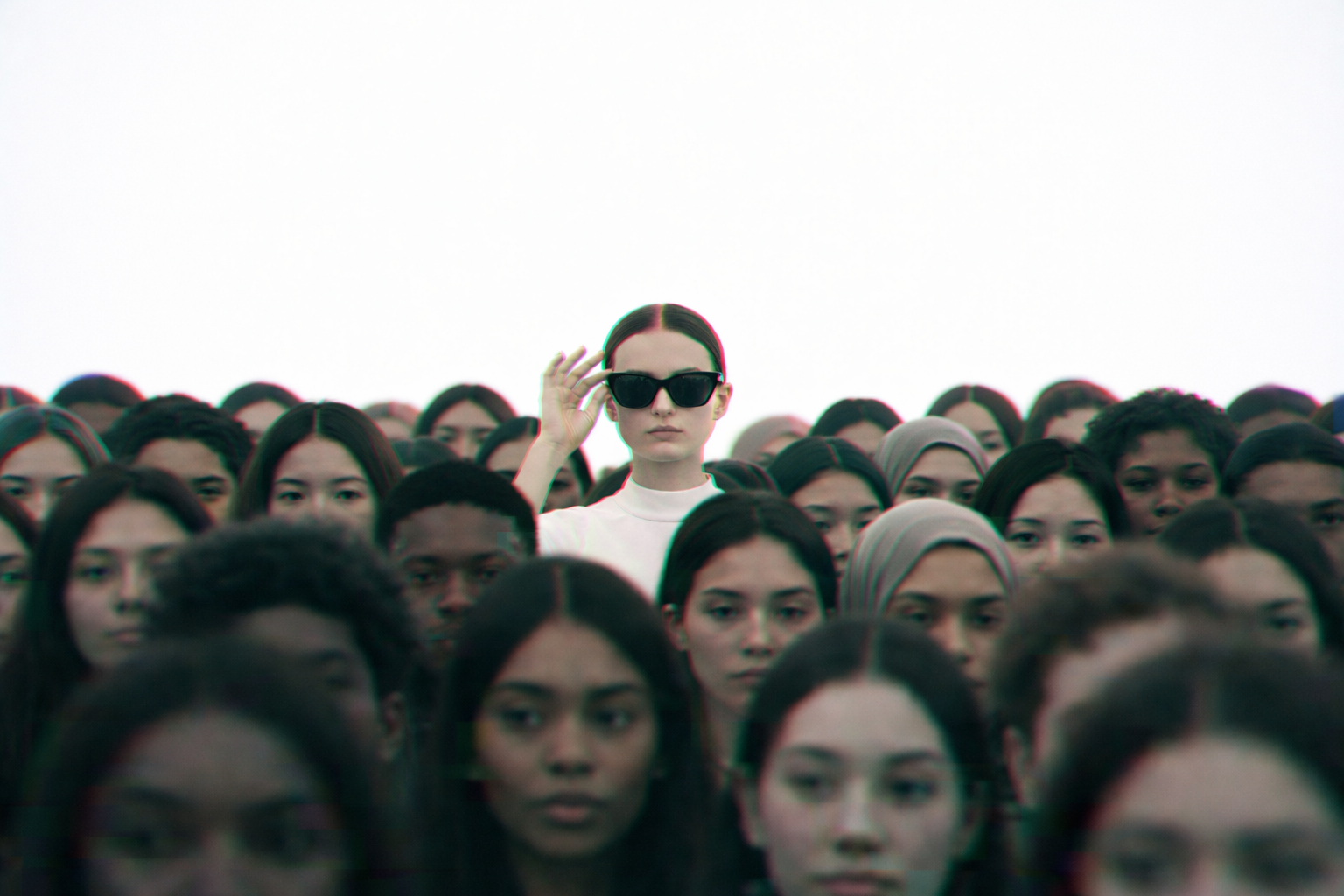

For a long time, “beauty influencer” was a useful category.
It meant someone who reviewed products. Shared routines. Talked about trends. Posted tutorials. Built trust around recommendations.
But in 2026, that label has become almost meaningless.
Because beauty is no longer a single lane. It’s textured hair. It’s postpartum skin. It’s sensitive scalps. It’s acne at 35. It’s hyperpigmentation on melanin-rich skin. It’s fragrance-free parenting. It’s luxury minimalism. It’s drugstore experimentation.
And the difference between beauty creator and the right beauty creator is no longer cosmetic. It’s structural.
Niche Isn t a Filter. It s Context.
Let’s say you re a brand that sells products for curly hair.
Not “wavy sometimes”. Not “styled once for a campaign.” Actually curly. Coily. Textured. Lived-in hair.
Or imagine you’re a baby care brand launching a postpartum recovery product. You don’t just need mom influencers. You need creators who are either expecting or openly navigating early motherhood, that is creators whose audience is actively paying attention to that stage of life.
This isn’t demographic targeting. It’s a lived context. And lived context rarely sits neatly in a bio.
Scott Guthrie, Founder, Influencer Marketing Hub
The future of influencer marketing isn’t bigger reach. It’s deeper relevance.
Specificity now drives performance. And in categories like beauty and fashion, specificity is everything. As explored in The Rise of Micro-Creators: Why Brands Are Ditching Celebrity Influencers, smaller and more niche creators often outperform broader personalities precisely because their relevance is lived, not layered on.
The Manual Reality Behind Influencer Discovery
Here’s what happens inside most beauty and fashion marketing teams:
Someone pulls a list of creators.
Then the real work begins.
You scroll through 20 posts to confirm whether the curly hair is natural or occasional styling. You watch Stories to see if the creator actually talks about this niche.. You scan comments to understand whether their audience asks questions or just drops emojis. You check past partnerships to see if they promote competing brands every month.
Multiply that by 50 creators. Multiply that by 3 campaigns. Multiply that by a team already stretched thin.
This isn’t glamorous work. It’s investigative. And it’s necessary. Because choosing the wrong creator doesn t just waste the budget. It erodes credibility.
That belief cannot be filtered by follower count.
Surface Filters Don t Catch Depth
Most influencer discovery still starts with filters:
- Beauty
- Parenting
- Fashion
- 10k 100k followers
- Country
- Engagement rate
Useful? Yes. Enough? Not even close.
A filter can’t tell you if someone genuinely struggles with frizz in humidity.
It can’t tell you if a creator’s pregnancy announcement happened two weeks ago.
It can’t tell you if their audience trusts their product recommendations or scrolls past them.
The difference between alignment and approximation is subtle. But it shows up in performance immediately.
This shift away from surface metrics toward contextual intelligence reflects a broader industry change discussed in Influencer Marketplace vs Influencer Marketing Platforms, where discovery stops being about access and starts becoming about memory.
Why This Is Getting Harder, Not Easier
As beauty and fashion content expands, creators diversify.
One creator might post skincare, fitness, fashion hauls, and baby updates in the same week. Audiences love the blend. Discovery tools struggle with it.
Brands aren’t just looking for category tags anymore. They’re looking for signals inside content.
That means identifying:
- Repeated conversations about a specific concern
- Consistent lived experience
- Audience questions that indicate purchase intent
- A creator s genuine comfort with a product type
This is pattern recognition work.
And humans are good at pattern recognition; until scale overwhelms them.
It’s part of the transition outlined in The New Influencer Model for 2026, where influencer marketing matures from campaign-by-campaign experimentation into structured, repeatable systems.
Where Discovery Needs to Evolve
No brand wants to outsource judgment. But many want support. Because manually reviewing hundreds of videos to understand whether a creator truly fits a niche isn’t sustainable long-term.
What beauty and fashion brands increasingly need isn’t a bigger database. They need, content-level understanding, context-aware filtering, historical performance memory and signals beyond hashtags
Mae Karwowski, Founder & CEO, Obviously
Relevance isn t found in a filter. It s found in patterns. In what a creator consistently shares, lives, and stands for. The brands that take time to understand that context build partnerships that actually convert
Discovery has moved beyond lists. It s about interpretation. This is where agentic AI begins to matter; not as automation that replaces human thinking, but as intelligence that assists it. Agentic AI systems can analyze patterns across a creator’s content, detect recurring themes, understand lived experiences, and surface context that would otherwise require hours of manual review.
Instead of scrolling through dozens of posts to confirm whether a creator genuinely lives in the niche they represent, brands can rely on AI-powered content analysis to surface those signals immediately.
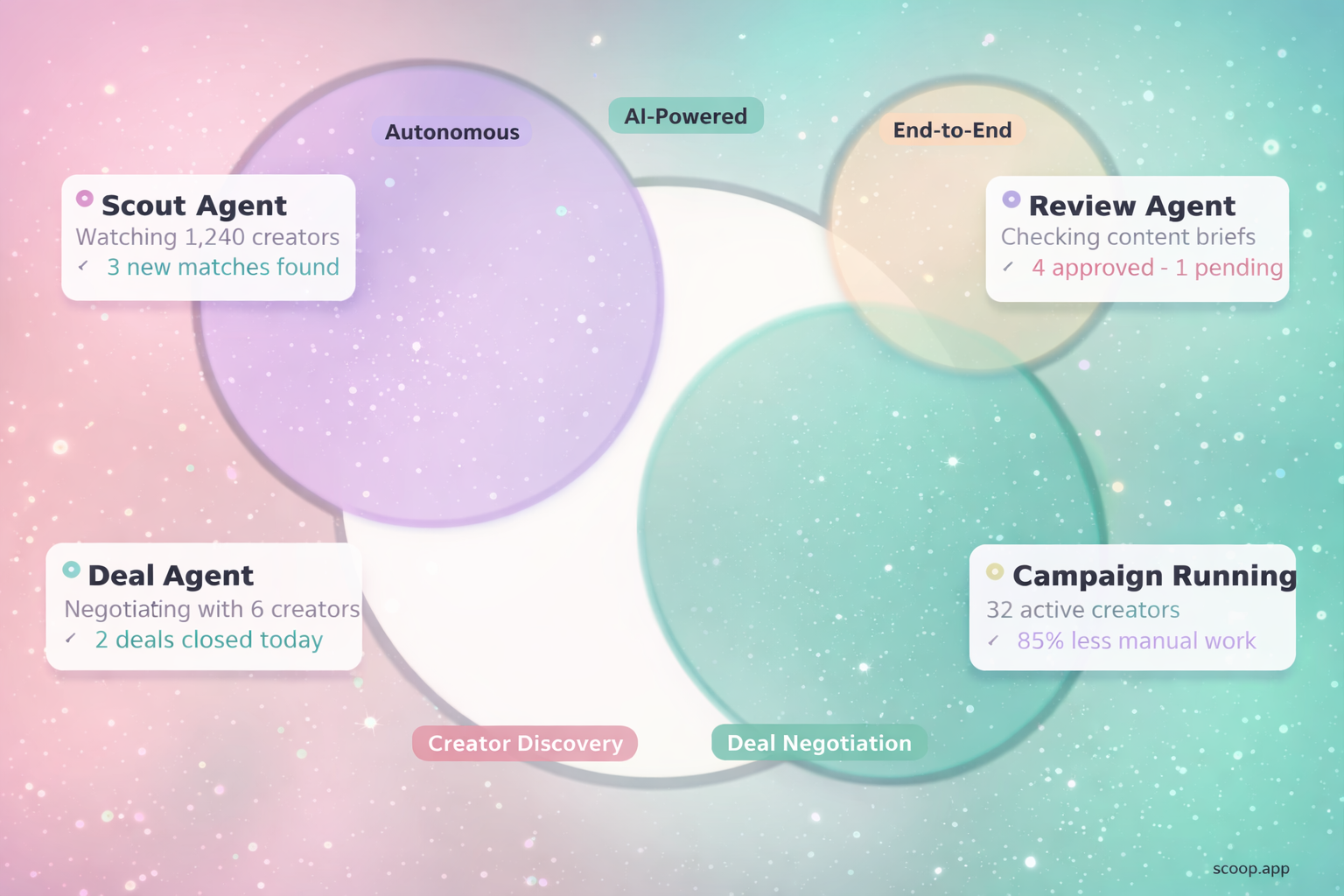
Platforms like Scoop are built around this shift. Rather than simply filtering by category tags, Scoop uses agentic AI to interpret creator content at scale by identifying nuance, context, and alignment so teams can move faster without sacrificing judgment. Discovery doesn’t become less human. It becomes more supported.
The Real Shift
The problem isn’t that there aren’t enough beauty influencers. It’s that the label “beauty influencer” no longer tells you anything meaningful.
Specificity now drives results.
Curly hair, textured skin, postpartum recovery, sustainable fashion, adaptive clothing, modest wear - these aren’t subcategories. They’re communities.
And communities respond best to creators who actually belong in them. Finding those creators isn’t impossible. But doing it manually, repeatedly, at scale, that’s where most teams feel the strain. The brands that recognize this shift aren’t just improving their influencer marketing. They’re building systems that understand context. And in beauty and fashion, context is everything.