
Every creator with a brand deal made it look effortless. A product appears in a video. A caption mentions a partnership. The comment section fills up. What you do not see is everything that happened before the camera turned on — the pitching, the negotiating, the contract reviews, the back-and-forth over usage rights, the waiting.
Brand deals do not just happen to creators. They are built. And in 2026, understanding how that process actually works is the difference between a creator who lands consistent partnerships and one who is perpetually wondering why brands are not reaching out.
This guide covers the whole picture: what brands are really looking for, how to position yourself to attract deals, how to pitch when you are ready to go proactive, and what the deal process looks like once a brand says yes. We also put together a free toolkit at the bottom worth grabbing before you start any partnership conversation.
What Brands Are Actually Looking For (It Is Not What Most Creators Think)
Here is the thing most creators get wrong when they are trying to land their first deal: they think brands want the biggest audience they can find. That is not how most partnership decisions actually get made.
Dr. Somdutta Singh, Forbes
Influencer marketing is all about making a genuine connection. When we make people feel connected with the influencer, they often make a purchase, which in turn multiplies sales because they spread the word.
The word that matters there is connected. Connection does not scale with follower count but it scales with relevance. A skincare brand does not want to reach five million people who vaguely like lifestyle content. They want to reach 25,000 people who genuinely care about skincare, who trust the creator recommending it, and who are the right age and location to actually buy the product.
So when a brand is evaluating whether to work with you, they are not just looking at your numbers. They are asking: does this creator’s audience look like our customer? Does their content style fit how we want to show up? Have they worked with brands before in a way that felt natural rather than forced? Do they seem like someone who will actually deliver?
Influencer Marketing Hub’s research consistently shows engagement quality as one of the primary filters brands use during creator vetting — not just rate, but the type of engagement. Genuine comments that reference specific content signal a real, trusting audience. Generic “love this!” comments from accounts with no profile picture signal the opposite.
The creators who land the best deals are not always the biggest. They are the most clearly positioned, the most consistent, and the most professional to work with.
Building a Profile That Makes Brands Want to Reach Out
Most inbound brand interest does not come from brands actively searching. It comes from brands encountering a creator’s content and thinking that this is the right fit. That only happens when a creator’s positioning is clear enough to make it obvious.
Pick a lane and commit to it. The creators who struggle to attract brand deals are often the ones whose content covers everything. Fitness, travel, food, parenting, lifestyle, beauty, all in the same feed. That is genuinely hard to pitch internally at a brand. “We want to work with a food creator” becomes difficult to action when the creator is also posting about everything else. The deeper your niche, the easier you are to recommend.
Make yourself easy to find. Use the keywords your category lives under in your bio, your captions, and your hashtags. A skincare creator whose bio says “skincare obsessive: honest reviews, daily routines, real skin” will surface in more relevant searches than one whose bio says “beauty lover living her best life.” Brands and their agency partners do search, and they search by category.
Have a media kit ready before anyone asks. A media kit is a short document just one or two pages that tells a brand who you are, who your audience is, what your numbers look like, and what brands you have previously worked with. Not having one when a brand enquires is a fast way to lose momentum. Having one that is polished, accurate, and easy to read signals that you are professional and take partnerships seriously.
Show past brand work, even if it is small. A gifted collaboration with a small local brand still counts. Brands want to see that you have handled commercial content before and that your sponsored posts look like content, not advertisements. If you have nothing yet, consider reaching out to a brand you genuinely use for a gifted deal specifically to build that portfolio. According to Social Media Examiner’s creator research, creators who can point to prior brand experience receive significantly higher response rates when pitching proactively.
How to Pitch Brands Without It Feeling Awkward
Waiting to be found works… eventually. But proactive outreach is how most working creators actually build their deal pipeline, and the reason most creators avoid it is because their first few attempts come back with silence and they assume it does not work.
It works. The approach is just usually wrong.
Generic pitches goes like “I would love to work with your brand, here are my stats” this will get ignored because they could have been sent to anyone. A brand receiving fifty of those a week does not have the time or the reason to respond to one that offers nothing specific. A pitch that feels like it was written for them is a different experience entirely.
A pitch that actually works has four things going for it. It opens with a genuine, specific reason why you are reaching out to this particular brand or a product you have actually used, a campaign you noticed, a value that resonates with your content. It explains why your audience is the right audience, not in terms of your follower count but in terms of who those followers are and why they are relevant. It proposes something concrete like a format, a platform, an angle rather than leaving the brand to figure out what to do with you. And it includes your media kit so they have everything they need to make a decision without chasing you for it.
The right person to pitch also matters. At smaller brands, the marketing manager or founder is usually the right contact. At larger brands, look for a creator partnerships, influencer, or social media marketing contact on LinkedIn. Agencies managing influencer programs on behalf of brands are also worth approaching directly — they run creator rosters across multiple clients and a strong pitch can open several doors at once.
What Happens After a Brand Says Yes
Getting a yes is exciting. It is also when the work of actually protecting yourself begins.
Most creators walk into their first deals without fully reading what they are agreeing to. This is understandable as contracts are long and negotiating feels uncomfortable when you are just glad to have the deal. But the details in a contract determine whether a deal is actually good for your business or just good for the brand.
A few things worth paying particular attention to.
The brief. Before you negotiate the rate, read the full brief. The deliverables, the timeline, the key messages, and the usage rights will all affect what the work is actually worth. The guide to what a creator brief contains covers what to look for from the creator’s side — understanding what a good brief looks like also helps you spot a bad one.
Your rate. Know your numbers before you enter any conversation. Base rates for sponsored posts typically factor in your follower count, engagement rate, platform, and content format. Usage rights are where most creators undercharge significantly. If a brand wants to run your content in paid social ads, on their website, or in email campaigns, that licence is worth materially more than a standard post rate. Later’s rate benchmarks are a useful starting point, and the Rate Calculator in the toolkit gives you an estimate based on your own numbers.
The exclusivity clause. This is the one most creators get caught by. An exclusivity clause restricts you from working with brands in the same category for a defined period sometimes three months, sometimes six, sometimes a year. Agreeing to category exclusivity for a single campaign rate and then discovering you cannot take any competing deals for six months is a very expensive mistake. Know what you are signing.
Usage rights duration and channels. If a brand wants to use your content in paid advertising, how long are they licensed to do so? In which territories? On which platforms? These details should be in the contract, not assumed. Content that runs in paid ads for two years is not priced the same as content that runs for 30 days.
Payment terms. When are you getting paid and how? Net 30, net 60, and net 90 are all common, but for a creator who has already produced and published content, 90 days is a long time to wait. Negotiate payment terms upfront, not after you have delivered.
How Scoop Is Changing the Way Brand Deals Reach Creators
Traditionally, brand partnership enquiries arrive through DMs that get buried, cold emails that feel impersonal, or creator marketplace notifications that require creators to be on yet another platform. The deal information is scattered across multiple messages, the terms are unclear, and figuring out whether an opportunity is actually worth pursuing takes more effort than it should.
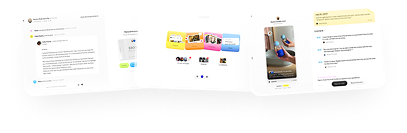
Scoop (scoop.app) approaches discovery and outreach differently. Scoop is an AI platform that automates influencer discovery, outreach, and campaign management for brands, meaning that when a brand uses Scoop to find creators, the outreach that arrives is structured from the start. Campaign brief, deliverables, content guidelines, timeline, and payment terms land as a complete package. There is no guessing what the brand wants or what they are offering. See how campaigns work in scoop by booking a demo
For creators, this changes the quality of inbound enquiries meaningfully. A Scoop-powered offer is actionable from the moment it arrives. The creator can review the brief, assess the rate, and accept, counter-offer, or decline all without three rounds of email to get to the same information.
As more brands adopt agentic tooling for creator discovery and outreach, understanding how these structured proposals work will become increasingly useful for creators who want to move efficiently and negotiate from an informed position. The deal pipeline is becoming more systematic on the brand side. Creators who match that professionalism on their side will consistently come out ahead.
For a fuller picture of how brands think about creator programs and what they are actually evaluating when they decide who to work with, the complete guide to influencer marketing for brands is worth reading from the creator’s perspective. Understanding your commercial partner’s priorities is one of the most underrated negotiating tools available.
Building a creator program and want to find the right creators faster? Scoop is the creator marketing platform built for brand teams who need to scale campaigns without scaling headcount. Request a demo at scoop.app to see the full agent workflow in action.