
Reaching the right audience has become one of the hardest parts of modern marketing. Visibility is easy to buy. Relevance is not.
Audiences scroll past ads, mute brands, and trust recommendations selectively. Even well-funded campaigns fall flat when they reach the wrong people or arrive without context. What still works is influence that already exists inside trusted communities.
This is where influencer marketing platforms have become essential. Not as optional tools, but as the infrastructure brands rely on to reach the right people with confidence and consistency.
Finding Your Audience Is No Longer a Distribution Problem
Most brands don’t struggle to get seen. They struggle to get believed.
Traditional channels push messages outward, hoping something sticks. Influencer marketing works in the opposite direction. It places brands inside conversations that are already happening, led by creators audiences trust.
The challenge is that trust does not scale intuitively.
As teams move beyond a handful of creators, manual discovery methods start to fail. What once felt hands-on becomes fragmented. Decisions rely on surface signals. Learning doesn’t carry forward.
Influencer marketing platforms exist to solve this exact problem.
What Influencer Marketing Platforms Actually Do
Influencer marketing platforms are designed to support the full lifecycle of a creator program.
They help brands:
- Identify creators whose audiences align with specific goals
- Manage outreach, negotiations, and approvals in one place
- Track performance across campaigns, not in isolation
- Connect creator activity to measurable outcomes
Instead of treating influencer marketing as a series of one-off collaborations, platforms make it repeatable and accountable. This is the difference between running campaigns and running a channel.
Why Influencer Marketing Platforms Matter More in 2026
The shift toward micro-creators has changed how scale works.
Brands are no longer betting on a single large voice. They are building networks of smaller, trusted creators who influence decisions within specific communities. This approach delivers stronger engagement and better alignment, but it also increases operational complexity.
Without systems, that complexity becomes a bottleneck.
As explored in The Rise of Micro-Creators: Why Brands Are Ditching Celebrity Influencers, performance today depends less on reach and more on trust, relevance, and consistency.
Influencer marketing platforms exist to support this new model.
What to Look for in an Influencer Marketing Platform
The most effective platforms focus on clarity rather than volume.
Strong platforms provide:
- Influencer discovery based on audience relevance, not follower count
- Performance history that carries forward across campaigns
- Centralized communication and approval workflows
- Clear analytics tied to business goals
- Integrated payment and reporting systems
These capabilities reduce friction and allow teams to focus on decision-making instead of coordination.
Understanding the Different Types of Platforms
Most influencer tools fall into two broad categories: Influencer marketplaces and Influencer marketing platforms.
Marketplaces are designed for speed. They help brands discover creators quickly and launch campaigns with minimal setup. For early-stage programs or one-off collaborations, this works well. Much of the work after the match such as negotiation, approvals, reportings, still happens manually, often outside the tool.
Influencer marketing platforms are designed for continuity. They assume influencer marketing is ongoing, not occasional. Discovery connects directly to campaign management, performance tracking, and reporting, so context carries forward instead of resetting with each campaign.
As programs mature, this difference becomes more visible. As noted in the article Influencer Marketplace vs Influencer Marketing Platforms teams often start with marketplaces and later realize they need systems that preserve learning, reduce repetition, and support scale.
The distinction isn’t about features. It’s about how much structure your influencer program needs to stay reliable as volume increases.
Measuring Success Without Guesswork
Successful influencer programs are measured by consistency, not just spikes. Influencer marketing platforms help teams track engagement quality over time, conversion signals tied to specific creators and performance patterns across campaigns. Instead of asking whether a campaign worked, teams can understand why it worked and apply those insights forward. Measurement becomes a learning loop, not a post-campaign report.
Budgeting for Efficiency, Not Just Access
Platform pricing varies widely in 2026. What matters is not the monthly cost, but the cost of inefficiency.
Manual discovery, fragmented reporting, and misaligned partnerships quietly drain time and budget. Platforms that reduce these risks often pay for themselves by helping teams avoid repeated mistakes and improve outcomes over time.
How Scoop Fits Into This Picture
Scoop is built for teams who want influencer marketing to scale without becoming harder to manage.
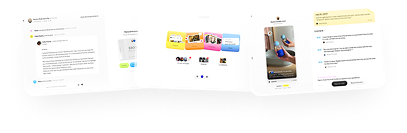
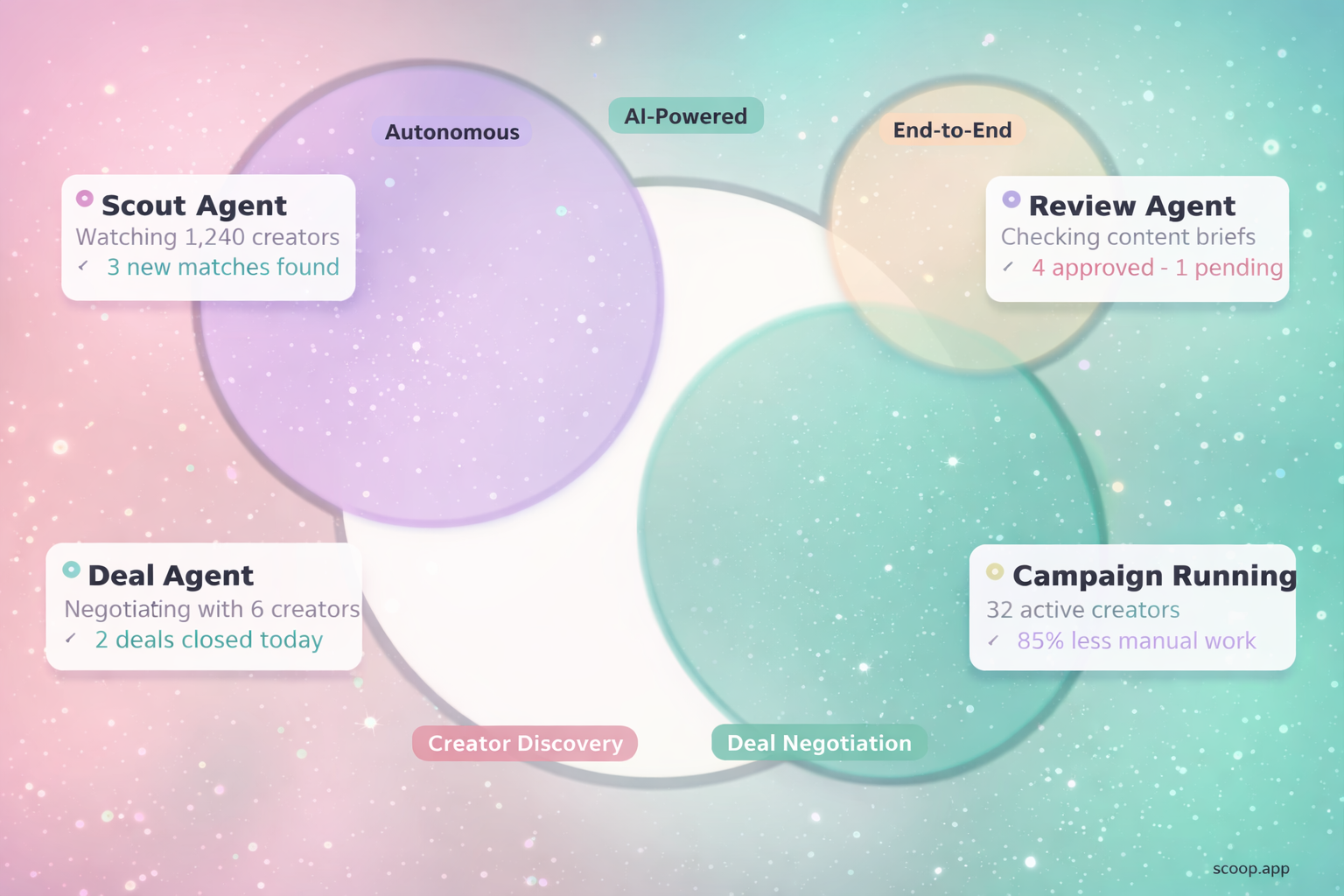
It connects influencer discovery, outreach, campaign execution, and performance tracking into a single workflow. This gives teams visibility into what’s working, why it works, and how to improve it.
Scoop doesn’t replace strategy. It supports it by removing friction from execution.
Final Thought
Influencer marketing works because trust works.
Influencer marketing platforms exist to protect that trust at scale by giving teams the structure they need to operate with clarity and confidence.
The question isn’t whether influencer marketing belongs in your mix. It’s whether your systems are built to support how influence actually works today.