
Follower count used to be the shortcut. Bigger number, bigger impact. For years, that assumption shaped how brands discovered creators, allocated budgets, and justified spend. In 2026, it is quietly one of the least reliable signals in influencer marketing.
The reason is not just fake followers. Influence itself has changed. Audiences are fragmented, algorithms reward relevance over scale, and trust compounds inside smaller, repeated interactions. A large audience that does not listen is no longer an asset. It is noise.
What brands are realizing is simple but uncomfortable: reach without authenticity no longer moves people.
The Illusion of Scale
Follower count measures visibility, not influence. It tells you how many people could see a post, not how many care, trust, or act on it. As platforms matured, creators learned how to grow audiences faster than they could build credibility. Growth hacks, recycled trends, and algorithmic spikes created profiles that look influential on paper but struggle to deliver outcomes.
This is why campaigns with impressive reach often underperform. Engagement feels thin. Comments lack substance. Clicks do not convert. The audience exists, but the connection does not. Brands paying for scale often end up renting attention instead of earning trust.
Mark Ritson, Marketing Professor & Brand Consultant
The goal isn t to find influence once. It s to understand which signals hold up when the spotlight moves.
Why Authentic Audiences Perform Differently
Audience authenticity is not only about whether followers are real. It is about alignment.
Authentic audiences engage consistently, respond meaningfully, and trust creators because the relationship was built over time. This is why micro and nano creators continue to outperform in sales-driven and high-intent campaigns.
Smaller audiences concentrate attention. When creators recommend something, it feels earned rather than transactional.
If you want to explore why brands are shifting toward smaller, trust-driven creators, this shift is unpacked further in The Rise of Micro-Creators: Why Brands Are Ditching Celebrity Influencers.
The Real Cost of Getting This Wrong
When brands over-index on follower count, the damage goes beyond a weak campaign. Performance becomes inconsistent. Similar-looking creators deliver wildly different results. Budgets get questioned. Influencer marketing starts to feel unpredictable rather than strategic. The issue is not the channel. It is the signal guiding decisions. Without a way to evaluate audience authenticity, teams repeat the same mistake with different creators and expect better results.
What Mature Teams Measure Instead
More experienced teams have moved past surface metrics. They look for signals that compound over time.
They evaluate engagement patterns, not spikes.
They assess comment quality, not just volume.
They track how audiences respond across multiple posts, not one-off moments.
Most importantly, they care whether performance holds across campaigns.
This shift is also changing how teams think about influencer discovery. Discovery is no longer about pulling the biggest lists. It is about understanding why a creator works and whether that performance is repeatable.
That distinction is central to the difference between marketplaces and long-term platforms, explored further in Influencer Marketplace vs Influencer Marketing Platforms.
Where Authenticity Becomes a System Problem
Evaluating authenticity once is easy. Doing it consistently is not.
Insights get lost between campaigns. Creators are re-evaluated from scratch. Decisions rely on memory instead of evidence. Authenticity becomes a gut feeling again.
This is where influencer marketing begins to strain. Not because creators change, but because teams lack systems that remember what worked.
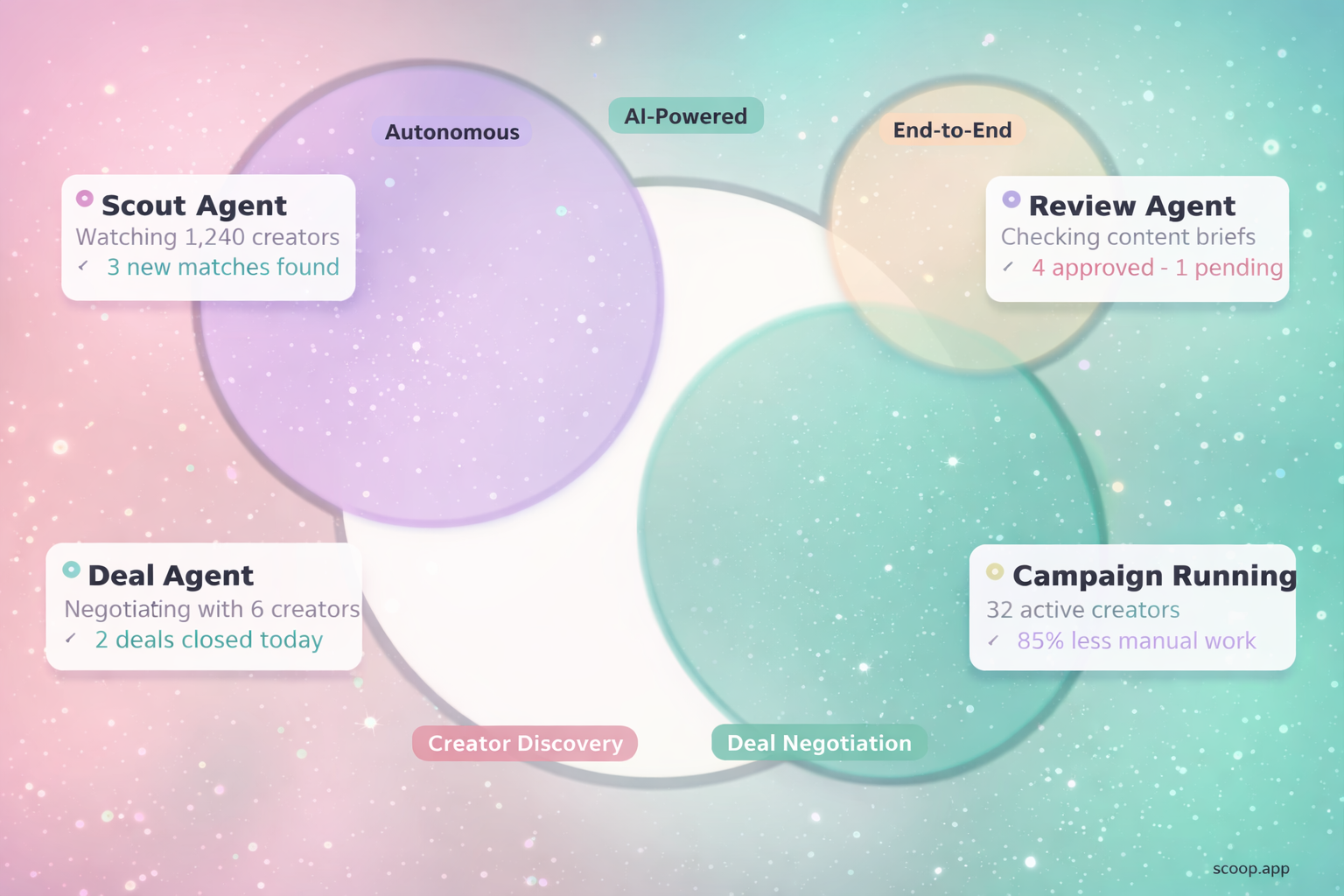
Platforms that connect discovery, performance history, and outcomes allow authenticity to be observed, retained, and reused. Without that continuity, brands keep guessing.
The New Reality
Follower count is not useless. It is incomplete.
In a landscape built on trust, relevance, and repeated exposure, authenticity has become the real currency. Brands that understand this stop asking how big an audience is and start asking how real it is.
That shift is subtle. But it is the difference between running influencer campaigns and building influence that actually lasts. eheh