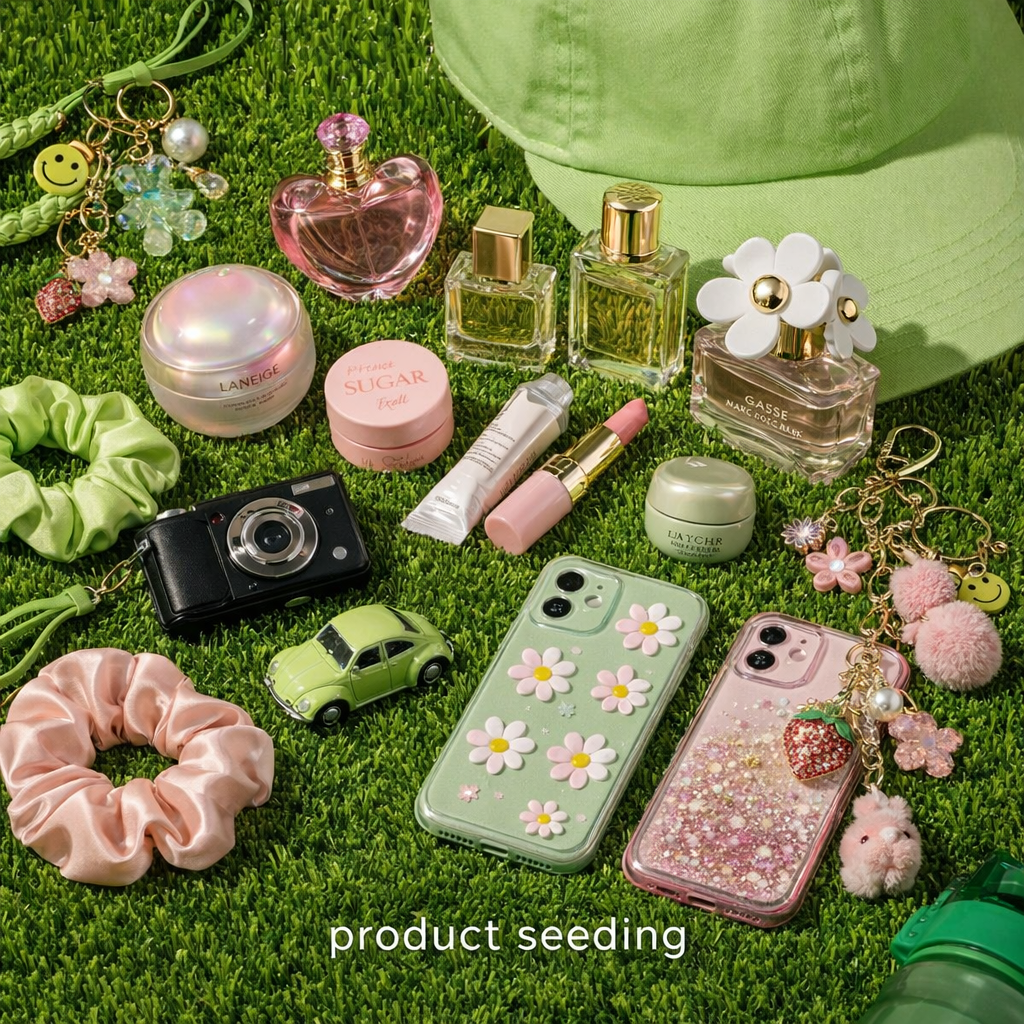

You sent 100 packages to creators last quarter. Three posted about it. You have no idea which three, what they said, or whether anyone actually cared.
This is product seeding for most brands: expensive hope in a branded box.
So What Is Product Seeding?
Product seeding is basically sending products to creators without a guaranteed requirement to post. There are no contracts, no fixed deliverables, and no scripted talking points. The intent is not control, but signal.
When product seeding works, creators share because they genuinely like the product and see it fitting naturally into their content. The resulting posts feel authentic, not transactional. When it fails, it is usually because gifting is treated as a numbers game instead of a relationship-building system.
At its best, product seeding is not about exposure. It’s about learning which creators actually care, which audiences respond, and which partnerships are worth deepening.
Why Most Product Seeding Programs Break Down
Many brands still run gifting campaigns the same way they did years ago. Large lists are compiled. Products are shipped in bulk. Teams wait and hope something happens.
Sometimes it does. Most of the time, it doesn’t.
The failure pattern is consistent. Brands send dozens or hundreds of packages and receive little clarity in return. A few creators post. Others don’t. Tracking is manual and incomplete. No one can confidently explain which creators mattered or why.
This is not because product seeding is ineffective. It’s because it’s often run without structure, memory, or feedback loops.
The Real Cost of Treating Gifting as Distribution
Product seeding starts to feel expensive when there’s no system behind it.
Creators who are a poor fit receive products they never planned to use. Posts go untracked or disappear in Stories. Teams manually search platforms trying to spot mentions. Valuable insights live in screenshots, spreadsheets, or someone’s memory.
Worse, every new campaign resets the process. Nothing compounds.
This is where many brands quietly abandon product seeding, assuming it doesn’t work, when the real issue is that the program was never designed to scale.
Mark Ritson, Marketing Professor & Consultant
Waste in marketing rarely looks like overspending. It usually looks like work that never compounds.
What High-Performing Gifting Programs Do Differently
Strong product seeding programs are built around intent, not volume.
They focus on creators who already make relevant content, speak to the right audience, and have shown interest in similar products. They treat gifting as a way to qualify future partners, not just generate one-off posts.
When run this way, product seeding becomes one of the most cost-effective inputs into a broader influencer strategy. It feeds data into paid campaigns, reduces cold outreach, and improves creator-brand alignment over time.
This is also why product seeding has become a core use case inside the best influencer marketing platforms, rather than something managed in isolation.
Product Seeding as a Discovery System, Not a Campaign
The most important shift is conceptual.
Product seeding should not be measured by how many packages were sent. It should be evaluated by what the brand learned.
Which creators posted organically?
Which ones integrated the product naturally?
Which audiences engaged meaningfully?
Which creators are worth building a long-term relationship with?
When these answers are visible, gifting stops being a gamble and starts becoming infrastructure.
This is where modern influencer marketing platforms differ from basic marketplaces. As explored in Influencer Marketplace vs Influencer Marketing Platforms, platforms designed for ongoing programs preserve context instead of losing it after each activation.
Why Product Seeding Pairs Naturally With Micro-Creator Strategies
Product seeding works best where trust matters most.
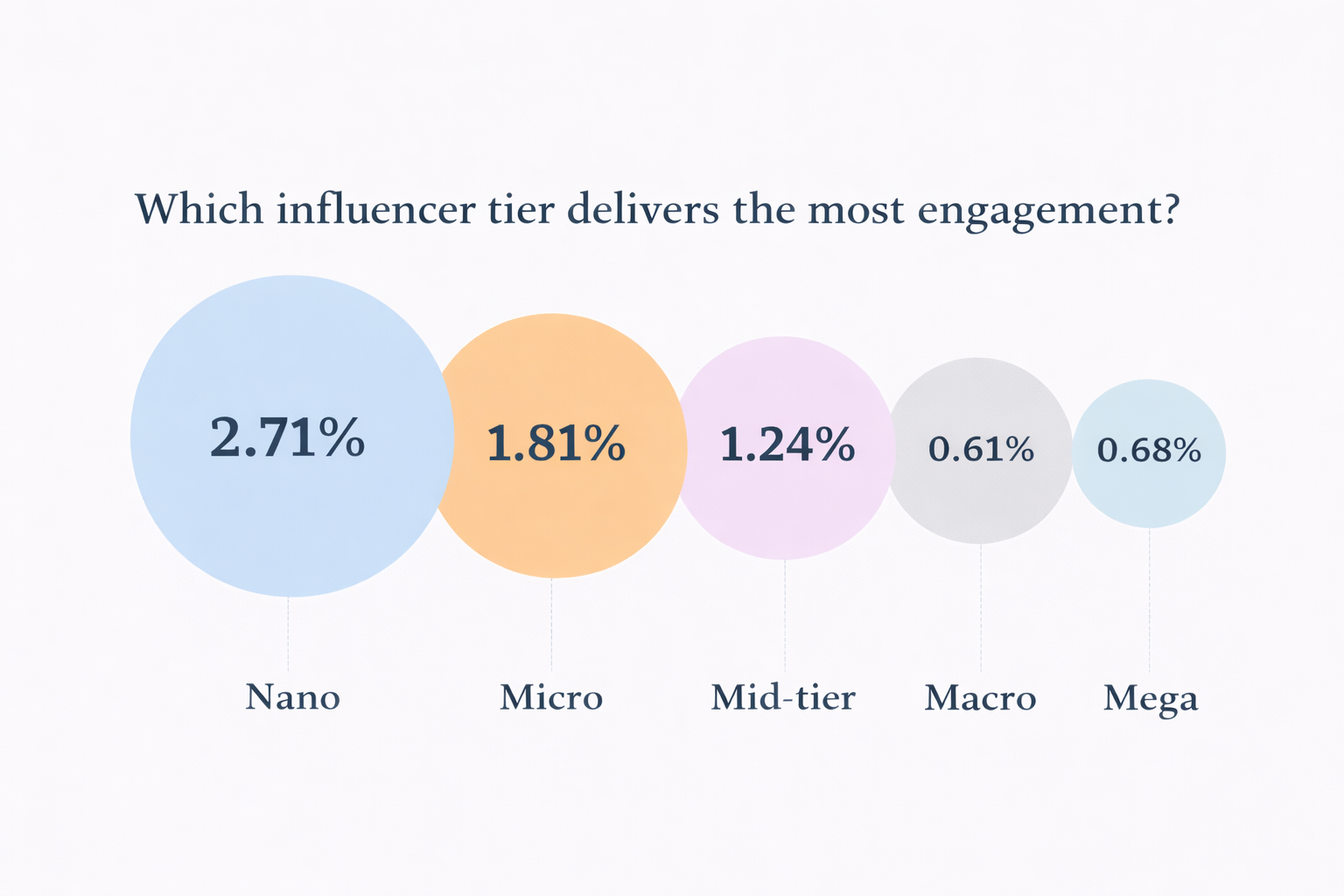
As brands move away from celebrity-heavy strategies and toward micro-creators, gifting becomes more powerful. Smaller creators are more selective, more engaged with their audiences, and more likely to share products they actually use.
This shift is part of the broader change outlined in The Rise of Micro-Creators: Why Brands Are Ditching Celebrity Influencers. Product seeding aligns naturally with this model because it prioritizes credibility over scale.
The Role of Platforms in Making Product Seeding Work
Product seeding is easy to manage when it’s small. A few packages, a few creators, some manual follow-ups. But once volume increases, that approach breaks. Tracking who received products, who posted, how content performed, and who’s worth re-engaging quickly becomes an infrastructure problem, not an effort problem.
This is why many of the best influencer marketing platforms now treat product seeding as part of a broader workflow rather than a one-off tactic. When gifting activity connects to creator profiles, past performance, and future outreach, brands stop guessing. Patterns emerge. Decisions get easier.
That’s where platforms like Scoop fit in. Not by reinventing product seeding, but by giving teams a way to remember what happened and use it. When gifting insights carry forward into paid partnerships and long-term relationships, seeding stops being hopeful distribution and starts becoming strategy.
The result is simple: better response rates, stronger content, faster conversions, and teams that can clearly explain what worked and why.
Final Thought
Product seeding isn’t broken. It’s misunderstood.
When run as bulk gifting, it creates noise. When run as a system for identifying genuine advocates, it becomes one of the most efficient inputs into modern influencer marketing.
The brands seeing results are not sending more products. They’re sending them with purpose, supported by the same systems that power the best influencer marketing platforms today.