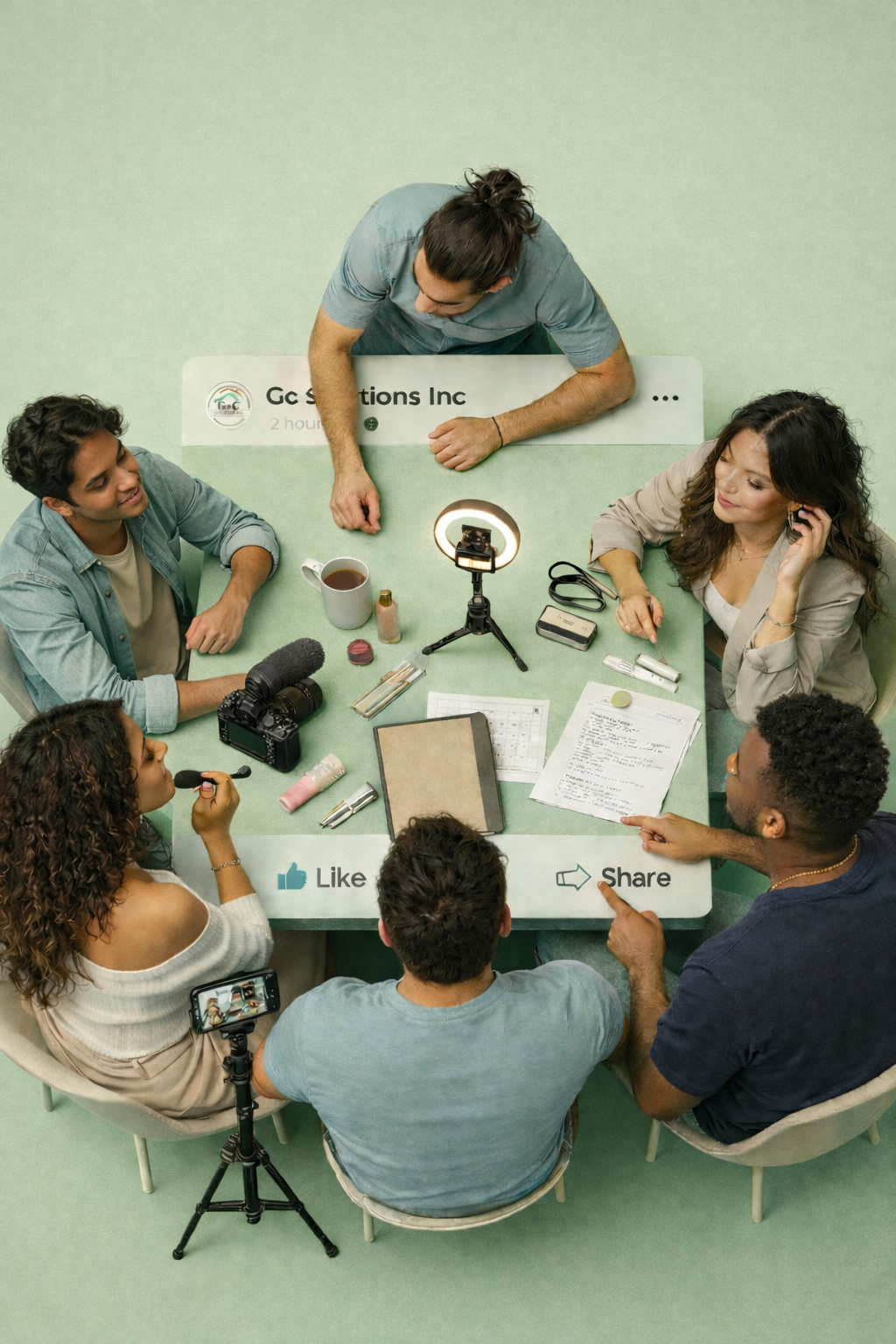

Influencer marketing did not become effective because brands learned how to “do influencers better”. It became effective when teams stopped treating creators as placements and started treating them as systems.
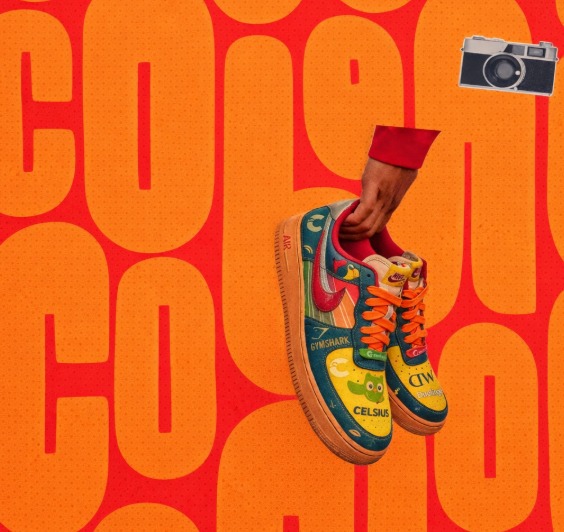
The brands in this collection did not win because they chased trends early. They won because they adapted when the old playbooks stopped holding up. From Nike to Gymshark, Duolingo to Warby Parker, the same pattern repeats: once scale enters the picture, instinct alone is no longer enough.
This is where influencer marketing platforms stop being optional.
The Quiet Evolution of Influencer Marketing Platforms (2023-2026)
Between 2023 and 2026, influencer marketing platforms changed shape.
Early tools were built for access. Find creators. Send messages. Track surface-level metrics. That worked when programs were small and campaigns were isolated.
Then volume arrived. Campaigns overlapped. Creators were reused. Performance needed to be compared, not remembered. Content rights mattered. Reporting had to travel across teams.
Platforms evolved because they had to. AI-assisted discovery, performance memory, campaign workflows, and content reuse became table stakes. Not as innovation, but as survival.
The shift wasn’t technical. It was structural.
Neal Schaffer, Influencer Marketing Strategist & Author
Influencer marketing doesn’t break because brands choose the wrong creators.It breaks when there s no system to remember what worked and why.
Nike: Scaling Trust Through Micro-Influencer Networks
Nike didn’t abandon celebrity influence. It contextualized it.
The brand invested heavily in micro-influencers who already lived the values Nike wanted associated with performance. Everyday athletes. Coaches. Community leaders.
The result was not louder marketing. It was more believable marketing.
Nike’s platform-led approach allowed them to track which creators drove engagement repeatedly, distribute content across channels, and reduce dependency on one-off endorsements. Engagement increased. Costs dropped. Confidence improved.
This is what scale looks like when trust is treated as a system.
Gymshark: Community Before Campaigns
Gymshark’s growth story is often framed as influencer-first. That’s incomplete.
What Gymshark actually built was continuity. Their ambassador program worked because creators weren’t rotated out after a single post. Performance history mattered. Relationships compounded. Content felt native because it was consistent.
Influencer marketing platforms made this possible by preserving context across years, not weeks. When growth accelerated, the system held.
That’s not luck. That’s infrastructure.
CELSIUS: Culture Moves Faster Than Campaigns
CELSIUS didn’t win Gen Z by broadcasting. It listened, then aligned.
Their influencer strategy worked because the platform supported fast iteration across TikTok, Shorts, and Instagram without losing cohesion. Performance data guided creative direction. Content patterns emerged quickly.
This is the difference between posting everywhere and operating across channels with intent. Platforms didn’t replace creative judgment. They made it usable at speed.
Daniel Wellington: Proof That Authenticity Was Always the Lever
‘Daniel Wellington s success wasn t built on novelty. It was built on repetition.
Gifting products to thousands of creators only works if you can track what happens next. Which creators drive follow-through. Which aesthetics convert. Which audiences engage more than once.
Their influencer platform didn’t just manage volume. It filtered signal from noise. That’s why the strategy scaled.
Duolingo: When Native Content Becomes the Strategy
Duolingo didn’t use influencers. It behaved like one.
By embracing meme culture and creator-native formats, the brand stayed relevant without forcing messaging. Their platform focus was less about discovery and more about coordination and performance feedback.
The takeaway is simple. When content velocity increases, systems matter more than ideas.
Stanley Cups: The Predictability of Authentic Influence
Stanley’s rise wasn’t accidental. It followed a predictable arc.
Real creators used the product. Content felt unscripted. Audiences responded. Limited editions amplified demand.
What mattered was not who posted first, but who was remembered. Influencer platforms helped identify which creators sparked repeat interest and which moments deserved reinvestment.
Authenticity scales when memory exists.
MOON Ultra: ROI Comes From Precision, Not Spend
MOON Ultra’s campaign didn’t succeed because of budget. It succeeded because of focus.
Targeted creators. Clear briefs. Performance feedback loops. Content reuse.
With under $4,000 in spend, the brand built visibility and a reusable asset library. That outcome is only possible when platforms reduce guesswork and reinforce what works.
Warby Parker and Iceland Foods: When Smaller Voices Outperform Bigger Names
Both brands learned the same lesson from different markets.
Smaller creators delivered stronger alignment. Lifestyle context outperformed celebrity reach. Trust carried more weight than awareness.
Influencer marketing platforms allowed both teams to validate this shift with data, not belief. Approval ratings and retention followed.
This is where experience replaces experimentation.
What These Examples Have in Common
Different industries. Different audiences. Same realization. At scale; Discovery without memory becomes noise, volume without structure creates drag,creativity without systems stalls. The brands that sustained growth invested in platforms not to manage influencers, but to preserve learning. That s the inflection point Scoop is built for.
The Pattern Experienced Teams Eventually Recognize
Most teams don’t fail because they choose the wrong creators. They fail because nothing is built to remember why the right ones worked.
Influencer marketing platforms matter when instinct stops scaling. When context matters. When repetition replaces novelty.
This is not about chasing tools.
It’s about acknowledging patterns.
And choosing systems that respect them.
Final Perspective
Influencer marketing didn’t become complicated.
It became honest.
The brands that adapted didn’t add more creators.
They added memory.
That’s what changes outcomes.